

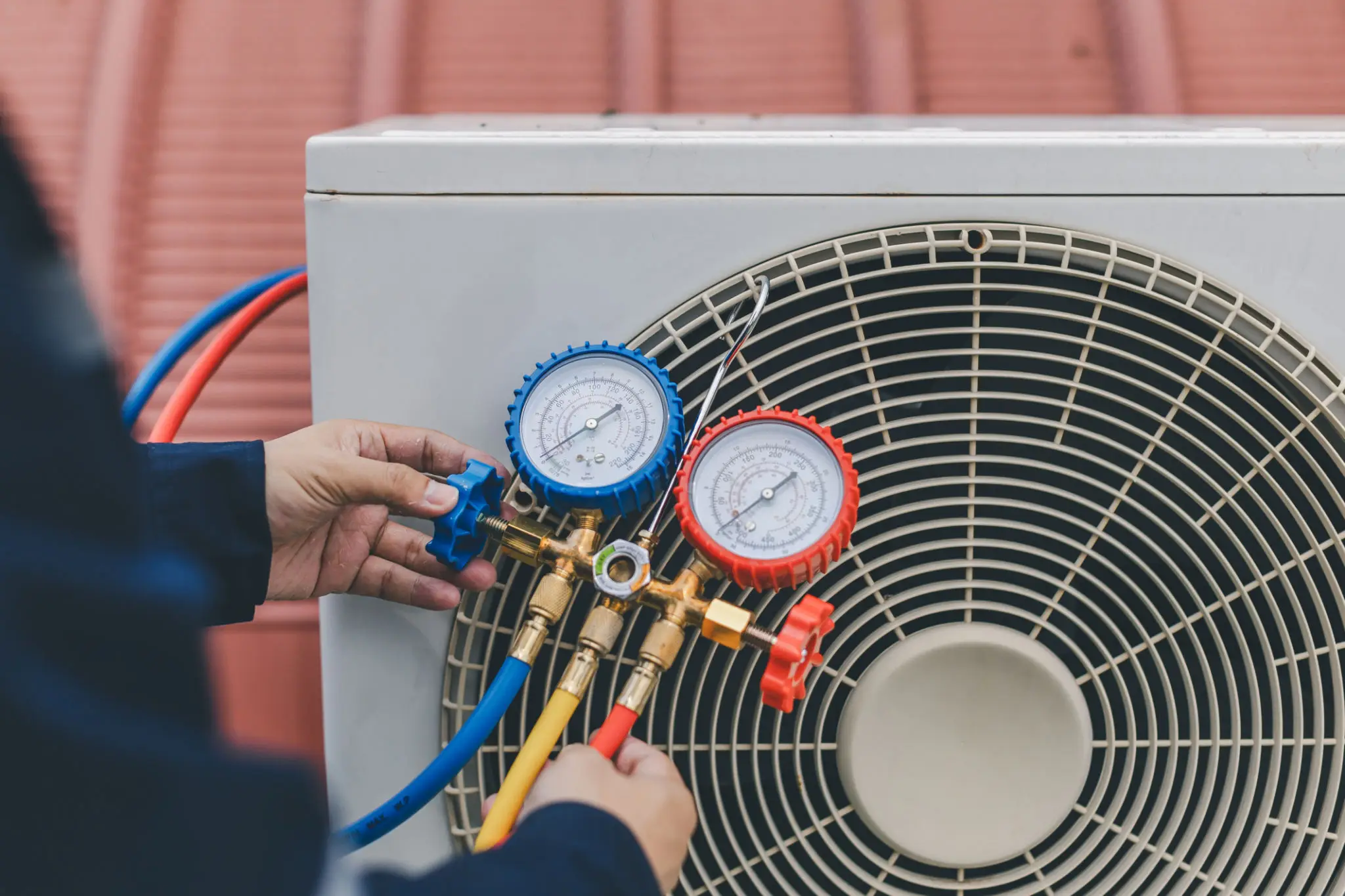
Water Heaters: Repair, Replacement, and Care
A cold shower is usually the first sign that a water heater needs attention, but it is rarely the only one. Water heaters often show smaller warning signs first: inconsistent temperatures, rusty water, popping sounds from the tank, or a utility bill that rises without a clear reason. Addressing those signs early can help homeowners and property managers avoid an inconvenient failure, water damage, and an emergency replacement decision.
For homes and businesses in Edgewater, Annapolis, and surrounding Maryland communities, reliable hot water is part of daily life. It supports morning routines, laundry, dishwashing, cleaning, tenant comfort, and business operations. Knowing when to repair, maintain, or replace your system makes it easier to protect that comfort and control costs.
How Water Heaters Work and Why It Matters
Most properties use either a conventional storage-tank unit or a tankless water heater. A tank-style system heats and stores a supply of water until it is needed. Tankless systems heat water as it flows through the unit, providing hot water on demand rather than holding it in a tank.
Both options can be dependable when they are correctly sized, professionally installed, and maintained. The right choice depends on the property, the number of occupants or fixtures, fuel availability, hot-water demand, budget, and installation requirements. A larger system is not automatically better. An oversized unit can raise operating costs, while an undersized unit can leave occupants without enough hot water during busy periods.
Fuel type also affects the decision. Electric water heaters may be practical where gas is unavailable, while natural gas models can offer lower operating costs in many Maryland homes. Heat pump water heaters can be highly efficient but need suitable installation space and operating conditions. For commercial properties, demand patterns and recovery rate are often just as important as tank size.
Signs Your Water Heater Needs Service
A water heater does not need to stop working completely before it needs professional attention. Calling for service when symptoms first appear can often reduce the scope of the repair.
If the water is not getting hot enough, the cause may be as simple as a thermostat setting or as involved as a failing heating element, burner issue, or sediment buildup. Water that swings from hot to cold can point to a thermostat problem, a damaged dip tube, or a unit that cannot keep up with household demand.
Discolored water deserves prompt attention. Brown, red, or rusty water may indicate corrosion inside the tank or aging plumbing. A rotten-egg odor can be related to bacteria interacting with the anode rod, particularly in systems that sit unused for periods of time. These issues need an accurate diagnosis because the right fix depends on where the problem originates.
Noises are another common concern. Rumbling, popping, or banging often occurs when mineral sediment collects at the bottom of a storage tank. Maryland water conditions can contribute to mineral buildup over time. Sediment makes the system work harder, reduces efficiency, and can shorten tank life if it is allowed to build up.
A leak should never be ignored. Moisture around fittings may come from a connection that can be repaired, but water pooling beneath the tank can indicate corrosion or tank failure. Since stored water can cause significant damage when a tank ruptures, a leaking unit should be inspected quickly.
Repair or Replacement: Making the Right Call
The repair-versus-replacement decision usually comes down to age, condition, repair cost, efficiency, and reliability. Many traditional tank water heaters last around eight to 12 years, though lifespan varies with maintenance, water quality, installation quality, and usage. Tankless systems can last longer, but they still require regular care and occasional component replacement.
A newer unit with a failed heating element, thermocouple, pressure relief valve, or thermostat may be a good repair candidate. These are often targeted repairs that can restore normal operation without replacing the entire system.
Replacement may be the wiser investment when an older tank is leaking, heavily corroded, frequently breaking down, or struggling to meet normal demand. Repeated service calls can add up quickly, and an aging water heater is more likely to fail at an inconvenient time. Replacing it before a complete breakdown gives you time to select the proper equipment instead of settling for whatever is immediately available.
For rental properties and commercial facilities, reliability carries additional weight. Lost hot water can lead to tenant complaints, interrupted operations, or safety and sanitation concerns. A planned replacement can be easier to schedule and budget for than an emergency installation.
Choosing the Right Water Heater for Your Property
The best replacement begins with an honest assessment of how much hot water the property actually uses. A household with two residents has different needs than a family with multiple bathrooms, laundry loads, and back-to-back showers. Likewise, a restaurant, salon, office building, or multifamily property may have concentrated periods of high demand that require a commercial-grade solution.
Storage-Tank Water Heaters
Conventional tank systems remain a practical choice for many homes because they are familiar, cost-effective, and available in a range of capacities. The key measurement is not just tank size. First-hour rating matters because it estimates how much hot water the unit can supply during a period of heavy use.
A properly selected tank unit can provide consistent performance at a reasonable upfront cost. However, it does use energy to maintain the temperature of stored water, even when no fixture is running.
Tankless Water Heaters
Tankless water heaters heat water only when there is demand. They are compact and can provide a continuous supply of hot water when sized correctly. They may be an excellent option for homes that need more usable hot water without adding a large tank, or for properties where space is limited.
The trade-off is that tankless installation can require changes to gas piping, venting, electrical service, or water lines. The upfront investment is often higher, and proper sizing is essential. A unit that is too small may struggle when several showers or appliances run at once, especially during colder months when incoming water temperatures are lower.
Heat Pump and High-Efficiency Options
Heat pump water heaters move heat from surrounding air into the water, using less electricity than standard electric resistance models in the right setting. They can lower energy use, but they need adequate space and may cool or dehumidify the surrounding area. They are often best suited to utility rooms, basements, garages, or other locations where those operating characteristics make sense.
A qualified technician can review fuel source, venting, electrical capacity, physical space, permits, and hot-water needs before recommending equipment. That process helps avoid costly surprises during installation and supports code-compliant work.
Maintenance That Protects Hot Water and Your Budget
Water heater maintenance is simple in principle but valuable in practice. A professional inspection can identify developing issues before they become urgent, confirm that safety controls are operating correctly, and help the system run more efficiently.
For a tank-style water heater, maintenance may include checking the temperature and pressure relief valve, inspecting connections, reviewing venting on gas models, testing components, and flushing sediment when appropriate. The anode rod should also be evaluated because it helps protect the tank from corrosion. Replacing a depleted anode rod can extend the life of a tank that is otherwise in good condition.
Tankless systems need their own maintenance routine. Mineral scale can collect inside the heat exchanger and reduce performance. Periodic flushing, inspection of filters, and combustion or venting checks for gas units help maintain efficiency and dependable operation.
Property owners should keep the area around the unit clear, avoid storing combustible materials near a gas water heater, and pay attention to changes in performance. Do not block access panels or ventilation. If you smell gas, see active leaking, or suspect a failed safety component, turn off the system if it is safe to do so and contact a licensed professional for prompt service.
Professional Installation Makes a Difference
Water heater replacement involves more than connecting pipes. Safe installation may require correct venting, gas-line sizing, electrical connections, drainage provisions, expansion tanks, shutoff valves, and municipal permit compliance. Each detail affects safety, performance, warranty coverage, and long-term reliability.
Bethany Air provides dependable water heater repair, replacement, installation, and maintenance with licensed and insured technicians, transparent pricing, and responsive service. Whether the issue is a minor performance concern or a complete loss of hot water, professional evaluation helps ensure the repair or replacement fits the property and the budget.
Hot water problems are disruptive, but they do not have to become overwhelming. Paying attention to early warning signs and scheduling service before a small issue grows can keep your home or business prepared for the next busy day.